Back to School Digital Paper Teacher
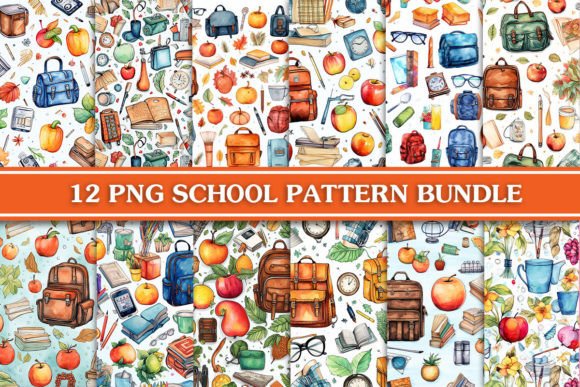
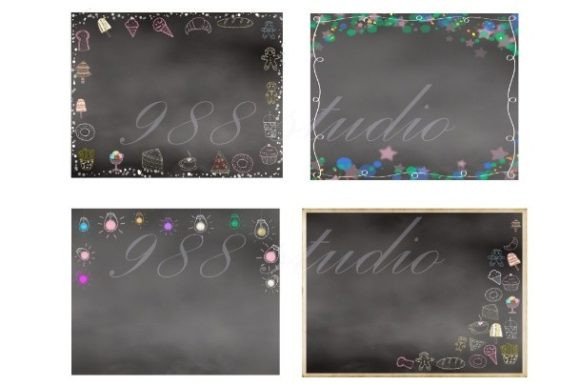
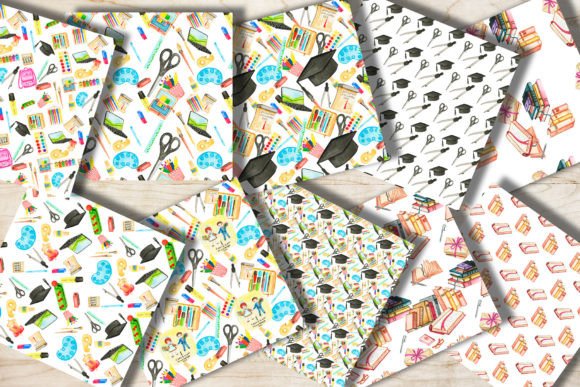
Back to School Digital Paper Teacher is a purpose-built set of high-resolution, classroom-ready digital paper textures designed for educators, curriculum designers, and creative professionals who need polished, printable assets for lesson planning, student handouts, classroom décor, and educational branding. Unlike generic scrapbook papers or stock textures, this collection is intentionally crafted with pedagogical context in mind—subtle motifs (like pencils, apples, chalkboard grain, or notebook lines), muted yet engaging color palettes, and consistent 5000×5000 px dimensions that preserve clarity across print and digital use cases.
What you receive is straightforward and production-ready: 10 high-quality JPEG files at 300 dpi, delivered without watermarks or compression artifacts. Each image is sized to scale cleanly for standard US letter (8.5×11″), A4, tabloid, or large-format classroom posters—and retains fidelity when cropped, layered, or used as a background in Canva, Google Slides, Adobe InDesign, or Microsoft PowerPoint. There’s no software lock-in, no subscription, and no usage-based licensing restrictions beyond the original terms: these are for your personal or professional teaching workflow—not for resale on stock platforms, not as standalone printed art, and not for redistribution.
Where This Fits in Your Planning Workflow
Digital paper isn’t just decoration—it’s infrastructure. Back to School Digital Paper Teacher becomes part of your pre-launch preparation phase: the quiet, intentional work that happens before the first bell rings. Whether you’re building a new unit plan, designing a parent newsletter, prototyping a behavior tracking sheet, or preparing editable PDF worksheets, having reliable, cohesive textures eliminates decision fatigue and visual inconsistency. You’re not choosing colors or patterns from scratch—you’re selecting from a unified system calibrated for readability, accessibility, and age-appropriate tone.
For example, if you’re assembling a back-to-school welcome packet in Canva, you’d start by uploading one of the JPEGs as a background layer. Then overlay clean text boxes with high-contrast fonts. Because all 10 images share the same resolution and aspect ratio, swapping between them mid-design takes seconds—not minutes—and maintains layout integrity. That consistency extends to printed materials: when you export a handout as a PDF and send it to a school printer, the texture renders crisply at full size, with no pixelation or scaling distortion.
Integration With Common Tools and Platforms
Back to School Digital Paper Teacher works natively with tools you already use—no plugins, converters, or special setups required. In Google Slides or PowerPoint, insert the JPEG as a slide background (Format > Background > Picture or Texture Fill). In Adobe Illustrator or Photoshop, drag-and-drop into any document; the 5000×5000 px size gives ample room for cropping while retaining print quality. For Canva users, upload once to your Brand Kit or Templates folder, then apply across multiple designs with one click.
It also complements other educational assets: pair a chalkboard-textured paper with handwritten-style fonts for anchor charts; use a lined-paper variant behind editable student reflection prompts; layer a subtle apple motif under a “Classroom Jobs” header. The textures don’t compete with content—they support it. And because they’re delivered as flat JPEGs (not layered PSDs), they’re lightweight enough to embed directly into LMS platforms like Canvas or Schoology as page backgrounds or downloadable resources—without triggering file-size warnings or rendering issues.
Practical Implementation Tips
Start with purpose, not pattern. Before browsing the 10 images, clarify the functional role of the paper: Is it for student-facing printables (prioritize legibility and contrast)? For internal planning documents (lean into neutral tones and minimal texture)? For social media graphics (choose bolder motifs that read well at thumbnail size)? This prevents overdesigning and keeps your output focused.
Batch your usage. If you’re preparing multiple resources for the first month of school—lesson plans, homework trackers, behavior logs—apply the same base paper across all files. That builds visual continuity for students and reduces your design time. You can vary secondary elements (icons, headers, fonts) while keeping the underlying texture constant.
Test before scaling. Even at 300 dpi, some textures may appear busier when reduced to small sizes (e.g., 2×3″ flashcards). Preview how each paper looks at your intended output dimensions—zoom out to 25% in your design tool to simulate real-world viewing distance. Reserve highly detailed variants for posters or full-page handouts; use smoother, lower-contrast options for smaller items.
Preserve flexibility. Save your working files with the JPEG embedded *as a background*, not flattened into the final export. That way, you can update the texture later—say, switching from a “first day” theme to a “fall learning” palette—without rebuilding layouts from scratch.
Long-Term Usability and Quality Control
The 5000×5000 px size isn’t arbitrary—it’s future-proofing. As display resolutions increase and printing standards evolve, this dimension ensures your assets remain viable for years. It supports retina displays, large-format printers, and multi-page PDF exports without upscaling artifacts. And because the JPEGs are delivered without watermarks or embedded metadata, they integrate cleanly into your existing digital asset management system—no cleanup needed.
Consistency matters across time, too. Using the same digital paper set across multiple school years builds brand recognition—especially if you share materials publicly (e.g., a teacher blog, TPT store, or district resource hub). Students, parents, and colleagues begin to associate those textures with your voice, your methodology, and your attention to detail. That’s not aesthetic fluff; it’s trust infrastructure.
Finally, quality control starts with knowing the limits. These are static JPEGs—not editable vectors or smart objects. If you need to recolor a motif or isolate an element, you’ll need to do that manually in Photoshop or Illustrator. But for 90% of classroom use cases—backgrounds, borders, printable sheets, presentation decks—that limitation doesn’t hinder utility. It enhances reliability.
Real-World Use Cases Across Roles
- Educators: Create editable PDF worksheets with built-in writing lines or grid spacing—just place the lined or graph-paper variant behind your text fields.
- Curriculum Designers: Build standardized unit templates where every handout shares the same tactile foundation, reinforcing structure for learners.
- Small Business Owners (tutoring, enrichment): Use the papers in branded intake forms, progress reports, or seasonal promo flyers—keeping marketing and instruction visually aligned.
- Bloggers & Content Creators: Embed textures into Pinterest pins or Instagram carousels to differentiate educational content from generic listicles.
- Freelance Designers: Offer clients a cohesive “back-to-school package” that includes editable templates + matching digital paper—adding perceived value without extra design time.
Back to School Digital Paper Teacher doesn’t replace pedagogy. It supports it—quietly, consistently, and without friction. It’s the difference between spending 20 minutes hunting for a “school-appropriate” background and spending that time refining learning objectives instead. When your tools align with your process—not the other way around—you gain bandwidth, reduce cognitive load, and keep attention where it belongs: on the students, the content, and the outcomes.
If you’re evaluating whether this fits your workflow, ask yourself: Do I repeatedly source or create paper-like backgrounds for educational materials? Do I prioritize clarity, consistency, and print-readiness over novelty? Do I value assets that require zero setup and deliver immediate utility? If yes, these 10 JPEGs aren’t just another download—they’re a small, deliberate upgrade to how you prepare, produce, and present.