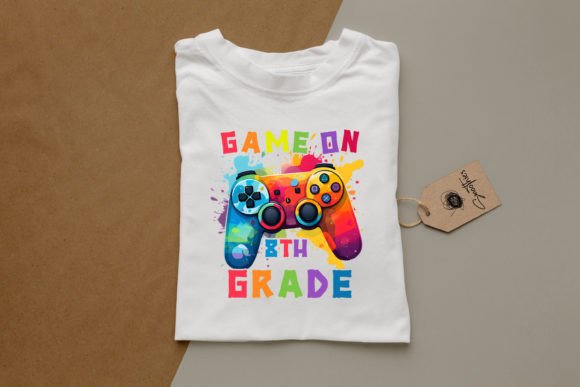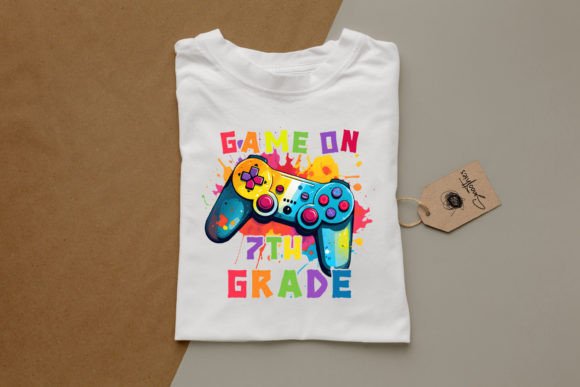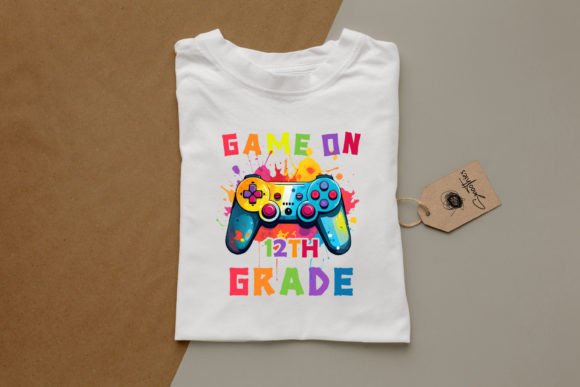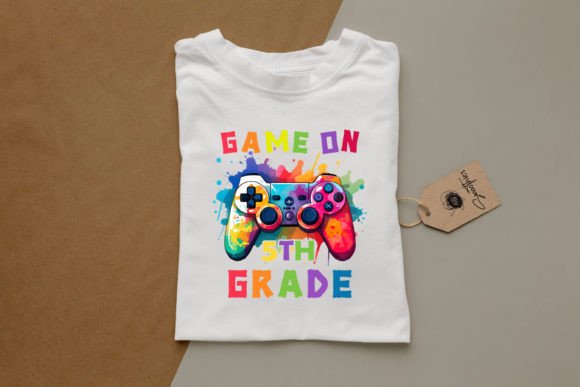
Back to School Game on 5th Grade
If you’ve ever spent late August scrambling for classroom icebreakers, last-minute teacher appreciation gifts, or themed party decor that actually feels fresh—not forced—then Back to School Game on 5th Grade is more than a design. It’s a practical, high-resolution creative asset built for real moments: the first-day-of-school buzz, the parent-teacher conference table stacked with student work, the small business owner restocking seasonal inventory before school bells ring.
This isn’t clipart from 2007. It’s a crisp, 4000x4000 pixel PNG file—300 dpi, transparent background, ready to scale without blur or pixelation. Whether you’re printing it full-size on a canvas for your fifth-grade classroom wall or shrinking it down for a custom sticker on a water bottle, the resolution holds up. And because the background is fully transparent, you’re not wrestling with white boxes or awkward cropping—you drop it straight onto any color, texture, or layout and it just works.
Where This Design Fits Naturally (and Why It Sticks)
Think about the people who reach for this file—not as “customers,” but as humans solving real problems:
- Educators using it to print welcome posters, bulletin board headers, or printable game cards for the first week of math rotations—no extra design time needed, just download, print, and go.
- Small business owners (like local print shops or Etsy sellers) layering it into sublimation-ready mug templates, pillow mockups, or vinyl-cut tote bag designs—especially in late July and early August when demand spikes for “back to school” merch.
- Parents and PTA volunteers creating personalized birthday cards for their child’s classmate—or designing matching stickers for goodie bags at a “Meet the Teacher” night.
- Hobbyists and crafters adding it to scrapbook pages documenting their kid’s fifth-grade year, or embedding it into digital planners they share with other homeschooling families.
The “game” element matters here—it’s not just a static image of pencils or apples. It suggests interaction, energy, and age-appropriate fun. Fifth grade is a pivot point: kids are gaining independence, tackling more complex concepts, and starting to form stronger peer identities. A design that nods to playfulness *and* academic growth resonates more authentically than generic school motifs.
Real Use Cases—No Guesswork Required
Here’s how it shows up in action:
Classroom Setup, Day One
A fifth-grade teacher downloads the file the weekend before school starts. She opens it in Canva, drops it onto a navy blue poster template, adds her name and “Room 214” in a clean sans-serif font, and prints two copies at Staples. One goes above the whiteboard; the other hangs beside the supply caddy. Students notice it immediately—not because it’s flashy, but because it feels intentional and welcoming. No laminating, no cutting, no hunting for fonts that match.
Sublimation Business Boost
A side-hustle entrepreneur runs a small sublimation operation out of her garage. In mid-August, she bundles the Back to School Game on 5th Grade design with three others (Kindergarten, 3rd Grade, Middle School) into a “Grade-Level Bundle” listing on Etsy. She includes mockups showing the design on ceramic mugs, cotton tote bags, and spiral notebooks—all rendered with accurate color and sharp edges, thanks to the 300 dpi resolution and transparency. Buyers don’t need to ask, “Will this look good?” They already know it will.
Home Learning & Milestone Keepsakes
A homeschooling parent uses the file to create a “Fifth Grade Memory Jar” label—printed on sticker paper, cut by hand, and stuck to a mason jar where her daughter drops notes, drawings, and small tokens from each unit studied. Later, she reuses the same file in a digital slideshow for end-of-year portfolio sharing with grandparents. Same asset. Two very different emotional contexts. Both feel personal.
What to Keep in Mind Before You Use It
This isn’t a one-click miracle—but it *is* a reliable, flexible tool. A few grounded considerations:
- No cutting files included. If you’re planning to use it with a Cricut or Silhouette for vinyl decals, you’ll need to trace or vectorize the design yourself—or hire someone to do it. The PNG gives you visual fidelity, not machine-ready paths.
- Color consistency isn’t guaranteed. That vibrant teal you see on your MacBook screen may shift slightly when printed on a cotton t-shirt versus a glossy photo card. Always soft-proof if you’re doing bulk orders—and run a test print first, especially for client work.
- It’s designed for versatility—not exclusivity. This is a ready-to-use resource, not a custom commission. If you need a version with your school’s mascot, specific curriculum icons, or bilingual text, plan to edit it yourself (in Photoshop, Illustrator, or even free tools like Photopea).
Also worth noting: the file supports both traditional printing *and* sublimation workflows—so whether you’re running an inkjet at home or managing a commercial heat press, it adapts. That dual compatibility saves time and avoids licensing confusion.
Who Benefits Most—and How It Shows Up in Their Work
You don’t need to be a graphic designer to get value from this. You just need a clear purpose and a bit of intentionality.
A freelance educator creating downloadable lesson plans might embed the design into a “First Week Activities” PDF cover—giving the resource instant visual credibility. A blogger writing about transitioning from fourth to fifth grade could use it as the featured image for their post, making it instantly scannable and on-topic for Pinterest or email previews. A camp director revamping their “Academic Enrichment Week” promo materials uses it across social banners, printed flyers, and staff T-shirts—creating cohesion without hiring a designer.
What ties all these uses together isn’t just aesthetics. It’s efficiency rooted in relevance. When your audience sees Back to School Game on 5th Grade, they recognize the grade level, the tone, and the context—immediately. That recognition builds trust faster than clever copy ever could.
So yes—it’s a PNG file. But more accurately, it’s a small, thoughtful piece of infrastructure for anyone building something meaningful around learning, growth, and the quiet magic of a new school year.