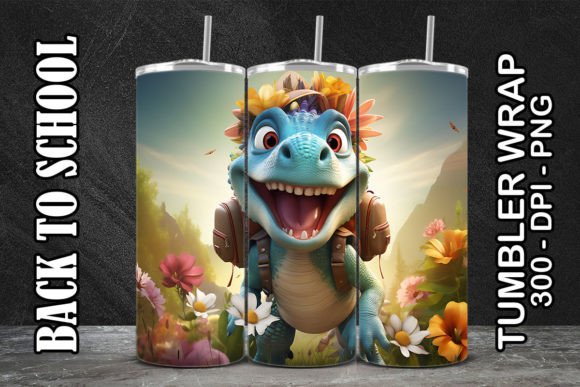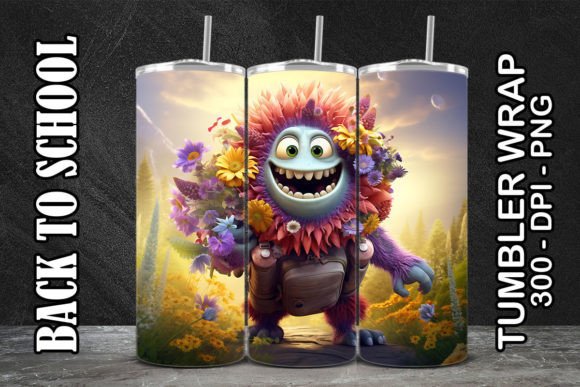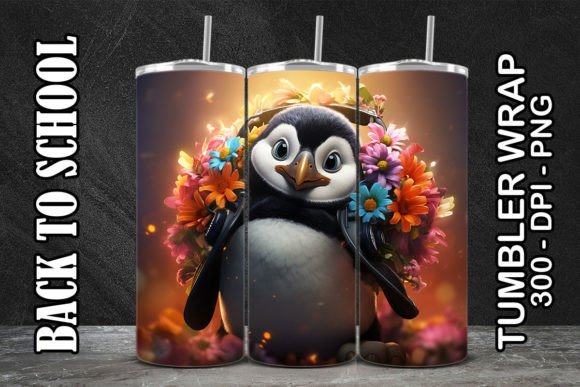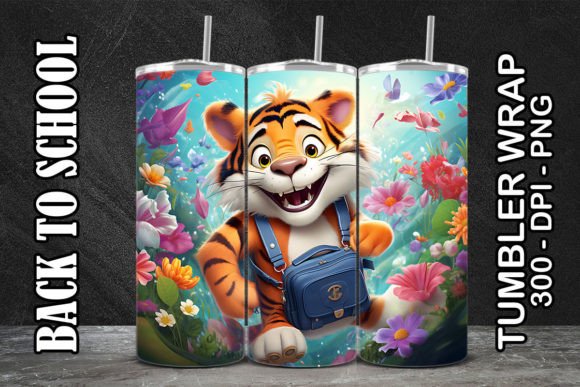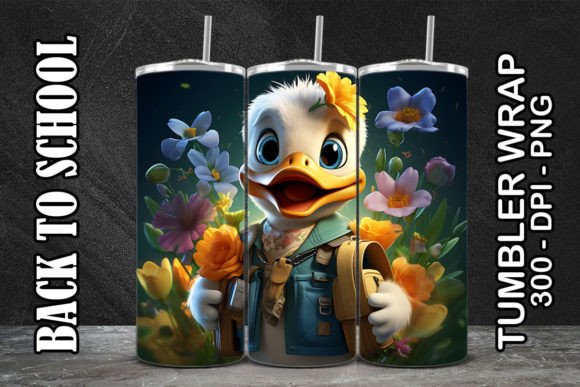
Duck Back to School Tumbler 1
The Duck Back to School Tumbler 1 refers to a digital design file bundle intended for sublimation printing onto cylindrical drinkware—specifically tumblers with dimensions compatible with a 9.06 in × 8.11 in wrap area. It is not a physical tumbler, nor does it include hardware, blanks, or printed products. Instead, it is a ZIP file containing multiple PNG images optimized at 300 DPI for high-resolution heat transfer applications.
This digital product targets users familiar with sublimation workflows—typically small business owners, crafters, educators setting up school-themed merchandise, or hobbyists producing custom back-to-school items. Its core utility lies in enabling consistent, repeatable decoration of tumblers with a cohesive duck-themed academic motif, often used to support classroom incentives, student welcome kits, or school spirit campaigns.
Why Consider the Duck Back to School Tumbler 1?
Several practical motivations may lead someone to evaluate this design:
- Time efficiency: Ready-to-use PNG files eliminate the need to create or source original artwork from scratch.
- Thematic alignment: The “duck” motif paired with back-to-school messaging offers lighthearted, age-appropriate visual appeal—particularly for elementary and middle school settings.
- Print readiness: Files are sized to fit common sublimation tumbler blanks (e.g., 20 oz skinny or standard cylinders), reducing scaling errors during production.
- Digital immediacy: As an instant-download item, it supports rapid prototyping or last-minute order fulfillment without shipping delays.
Key Benefits and Realistic Expectations
The primary benefit is functional convenience: users receive a pre-sized, high-DPI asset bundle that integrates directly into existing sublimation software or RIP systems. No licensing restrictions are mentioned, and the inclusion of multiple PNGs may allow for variation in background color, text placement, or layering options—though exact differences between files aren’t specified in the listing.
However, expectations must align with the nature of digital-only delivery. There is no physical sample, no customer support for print troubleshooting, and no guarantee of color accuracy across different printers or substrate brands. Results depend heavily on user expertise—including correct image mirroring, temperature/pressure/time calibration, and blank surface preparation. Sublimation success also requires polyester-coated or polymer-infused tumblers; standard stainless steel without coating will not accept the dye properly.
Important Considerations Before Purchase
Before acquiring the Duck Back to School Tumbler 1, assess the following:
- Technical proficiency: You must understand how to import, mirror, and position PNG files in sublimation software (e.g., Sawgrass Creative Studio, CorelDRAW, or Adobe Photoshop with proper plug-ins).
- Equipment access: A sublimation printer, heat press capable of uniform cylindrical pressure (e.g., a mug press or tumbler-specific clamp), and compatible blanks are required.
- Design flexibility: This is a fixed-layout asset. If you require editable vector elements (e.g., adjustable text, scalable icons, or customizable names), a PNG-based solution limits modification options. Raster files cannot be resized upward without quality loss.
- Sizing tolerance: While labeled as ~9.06 in × 8.11 in, actual fit depends on your tumbler’s circumference and height. Minor trimming or repositioning may be needed to avoid seam overlap or white borders.
When This Design Fits Well
The Duck Back to School Tumbler 1 is most suitable when:
- You already own or operate a sublimation setup and seek themed, seasonal designs to expand your back-to-school inventory.
- Your target audience responds well to playful, non-licensed animal motifs—especially in educational or community-based contexts where brand neutrality matters.
- You prioritize speed over customization and are comfortable working within fixed dimensions and raster-based constraints.
- You’re producing at scale for events like teacher appreciation weeks, orientation giveaways, or PTA fundraisers where consistency and recognizability matter more than individualization.
When Alternatives May Be More Appropriate
Consider other options if:
- You lack sublimation equipment. In that case, screen-printed or vinyl-wrapped tumblers—or partnering with a local print shop—may yield better results than attempting DIY sublimation without experience.
- You need personalization. If each tumbler must feature student names, grades, or unique identifiers, a fully editable vector file (e.g., SVG or AI format) or a print-on-demand service with variable-data capability would offer greater adaptability.
- Your branding requires strict color matching. Without embedded ICC profiles or Pantone references, color shifts between monitor, file, and final substrate are possible—and difficult to correct post-purchase.
- You serve older students or professional audiences. The duck motif may feel too juvenile for high school or adult learners. More minimalist, typography-driven, or institution-specific designs could better match those contexts.
Making an Informed Decision
Evaluating the Duck Back to School Tumbler 1 comes down to matching its scope to your operational reality. Ask yourself: Do I have the tools, knowledge, and use case that make this digital file immediately actionable? If yes, it serves as a time-saving component in a known workflow. If not, investing in foundational sublimation training—or exploring hybrid solutions like pre-printed wraps or third-party fulfillment—may reduce risk and improve outcomes.
Also consider testing one file before bulk production. Print a single tumbler using your standard settings to verify alignment, color fidelity, and edge continuity. That small step helps confirm compatibility with your specific hardware and blanks—information no listing can fully substitute.
In summary, the Duck Back to School Tumbler 1 is a narrowly focused digital tool—not a complete solution. Its value emerges clearly only when aligned with existing capabilities and well-defined goals. For those prepared to use it, it delivers practical utility. For others, understanding its boundaries helps guide toward more appropriate resources.