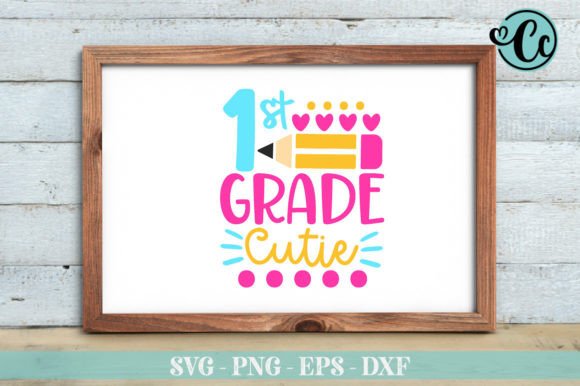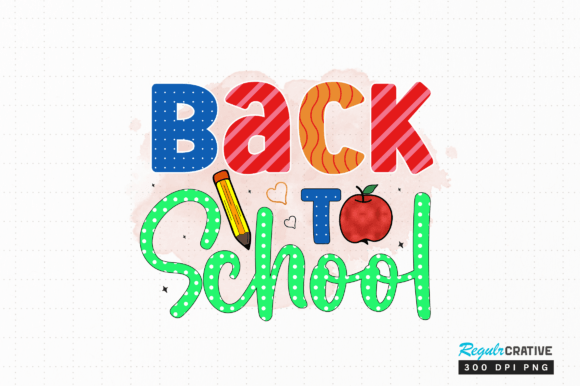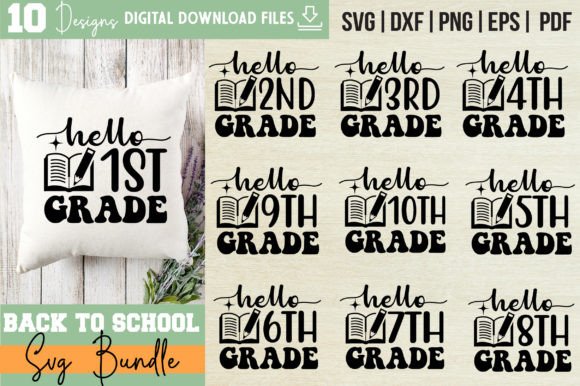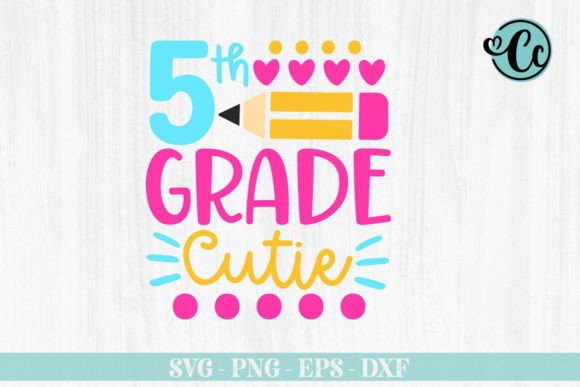
Fifth Grade Cutie Back to School SVG: A Versatile Design Resource for Educators, Makers, and Small Businesses
As summer winds down and classrooms prepare to reopen, a quiet but powerful trend continues to grow across creative communities: the thoughtful integration of hand-lettered, classroom-themed vector graphics into everyday learning tools and personalized apparel. At the heart of this movement is the Fifth Grade Cutie Back to School SVG — not just another decorative file, but a carefully crafted, production-ready design asset built for flexibility, clarity, and emotional resonance. Unlike generic school-themed clipart, this collection balances playful charm with professional-grade technical execution — making it equally valuable to a fifth-grade teacher printing welcome signs, a small-batch apparel entrepreneur launching a back-to-school shirt line, or a homeschool parent designing custom learning journals.
What Makes This SVG Collection Stand Out Technically?
The practical value of any digital design file hinges on its underlying structure — and this Fifth Grade Cutie, Back to School SVG set excels in foundational vector integrity. Each graphic is built using clean Bézier paths, minimal anchor points, and logically grouped layers — meaning resizing from a 2-inch sticker to a 24-inch wall banner introduces no pixelation, distortion, or rendering glitches. The included file formats — SVG, PNG (300 DPI), EPS, DXF — aren’t just listed for completeness; they serve distinct real-world functions:
- SVG: Ideal for web use, Cricut Design Space, Silhouette Studio, and responsive digital signage — retains full editability and scales infinitely without quality loss.
- PNG at 300 DPI: Ready for high-fidelity physical printing on cotton tees, ceramic mugs, or laminated classroom posters — crisp edges, transparent background, no compression artifacts.
- EPS: Industry-standard for professional print shops and large-format printers — preserves fonts as outlines and maintains color fidelity across CMYK workflows.
- DXF: Essential for laser cutters, CNC routers, and vinyl plotters — ensures precise path interpretation for physical fabrication projects like wooden name tags or acrylic desk organizers.
This multi-format support eliminates common bottlenecks: no more re-tracing raster images, no frantic last-minute conversions before a craft fair deadline, and no compatibility surprises when handing files to a local print partner.
Real-World Applications Across Diverse Users
One of the most compelling features of the Fifth Grade Cutie, Back to School SVG collection is its adaptability across roles and contexts — each use case revealing a different dimension of its utility.
Educators: From Classroom Culture to Parent Communication
Teachers routinely curate visual environments that signal belonging and anticipation. A “Hello School!” SVG can become a laminated welcome sign taped beside the classroom door — edited to include the teacher’s name and homeroom number using free tools like Inkscape or Adobe Illustrator. The same file, resized and recolored, transforms into a printable reward certificate (“Fifth Grade Cutie Star of the Week”) or a header for a digital newsletter sent to families. Because the text is hand-lettered — not system-font-based — it carries warmth and intentionality, reinforcing a human-centered start to the year.
Small Business Owners & Print-on-Demand Sellers
For entrepreneurs running Etsy shops or local pop-up booths, consistency and speed matter. With editable vector files, a single School Shirt for Kids SVG design can be quickly adapted into multiple SKUs: navy crewnecks for boys, lavender raglans for girls, pastel tote bags for parents, and even chalkboard-style vinyl decals for lockers. No need to commission separate artwork for each product — just adjust stroke weight, spacing, or fill color to match fabric texture or branding guidelines. That scalability directly supports lean inventory models and seasonal campaign agility.
Hobbyists & DIY Families
A growing number of caregivers use creative projects as low-pressure bonding rituals. Printing the Kids Shirt SVG onto iron-on transfer paper lets a child help decorate their own first-day tee — choosing colors, arranging elements, even adding a handwritten name tag in the corner. Similarly, cutting the design from adhesive vinyl creates reusable classroom labels for supply bins or personalized water bottles. These tactile experiences reinforce ownership and excitement about returning to structured learning — far more effectively than mass-produced alternatives.
Design Philosophy: Why Hand-Lettered Matters
The phrase “hand-lettered” isn’t marketing fluff here — it reflects intentional craftsmanship. Unlike auto-generated fonts or traced scripts, true hand-lettering includes subtle variations in stroke thickness, organic baseline rhythm, and contextual letter connections. In practice, this means:
- Text remains legible at small sizes (e.g., 0.5-inch tall on a pencil pouch) because spacing and contrast were calibrated by eye, not algorithm.
- When enlarged for bulletin boards or hallway banners, curves retain softness and character — no robotic uniformity.
- Customization feels intuitive: swapping “Hello School!” for “Welcome Back, Mathematicians!” requires only editing the text layer — the surrounding decorative flourishes (stars, pencils, apples) stay perfectly aligned and proportionally balanced.
This attention to typographic nuance also supports inclusive design practices. The open counters in letters like “a,” “e,” and “s” improve readability for emerging readers, while generous x-height and clear ascenders/descenders aid students with visual processing differences — an often-overlooked benefit in educational materials.
Implementation Considerations for Best Results
While the files are user-friendly, optimal outcomes depend on thoughtful execution. Here are field-tested observations:
Material Matching Matters
A design that pops on a white cotton T-shirt may vanish on heather gray unless the fill color is adjusted for contrast. Likewise, metallic vinyl requires bolder outlines than standard HTV. Always test a 2-inch sample cut or print before committing to bulk production — especially when layering multiple colors or combining with photographic elements.
Resizing Without Compromise
Because these are vectors, you *can* scale infinitely — but context still governs perception. A “Teacher SVG” scaled to fit a coffee mug’s curved surface should avoid ultra-thin strokes (<0.25 pt), which may disappear during sublimation. Conversely, the same file used for a die-cut foam board display benefits from thicker outlines (1–2 pt) to maintain definition from a distance.
Editing Workflow Tips
Beginners often assume editing means changing only color or size. In reality, the greatest leverage comes from modifying grouping logic: ungrouping allows rearranging individual icons (e.g., moving the apple slightly left to balance composition), while locking layers prevents accidental shifts during adjustments. Free tools like Vectr or Photopea offer robust SVG editing without subscription fees — lowering the barrier for educators or volunteers managing school spirit projects.
Broader Implications for Learning Environments
Beyond aesthetics, consistent, joyful visual language contributes measurably to psychological safety. Research in educational psychology shows that environments rich in student-created or co-designed visuals increase engagement and reduce transition anxiety — particularly among upper elementary learners navigating new routines and social expectations. When a fifth grader sees their name alongside a “Fifth Grade Cutie” motif on a shared classroom chart, it subtly reinforces identity, competence, and community membership. That effect multiplies when those same motifs appear across multiple touchpoints: morning slide decks, homework folders, and end-of-year keepsakes.
Moreover, the editable nature of these files invites participatory design. A class could vote on color palettes for their “Back to School SVG” banner, then discuss how typography choices reflect tone — serious? cheerful? curious? — turning a craft task into a mini-lesson on visual rhetoric and audience awareness.
Final Thought: Utility Meets Intention
The Fifth Grade Cutie, Back to School SVG collection succeeds not because it’s merely “cute” or “on-trend,” but because it bridges precision and personality. Its high-resolution print files meet commercial production standards, while its hand-lettered soul supports pedagogical and emotional goals. Whether you’re prepping your first-grade classroom, launching a boutique apparel line, or helping your child personalize their backpack before the bell rings — these assets function as both tools and touchpoints. They don’t just say “school is starting again.” They say, “You belong here. Your voice matters. Let’s make this year meaningful — together.”